
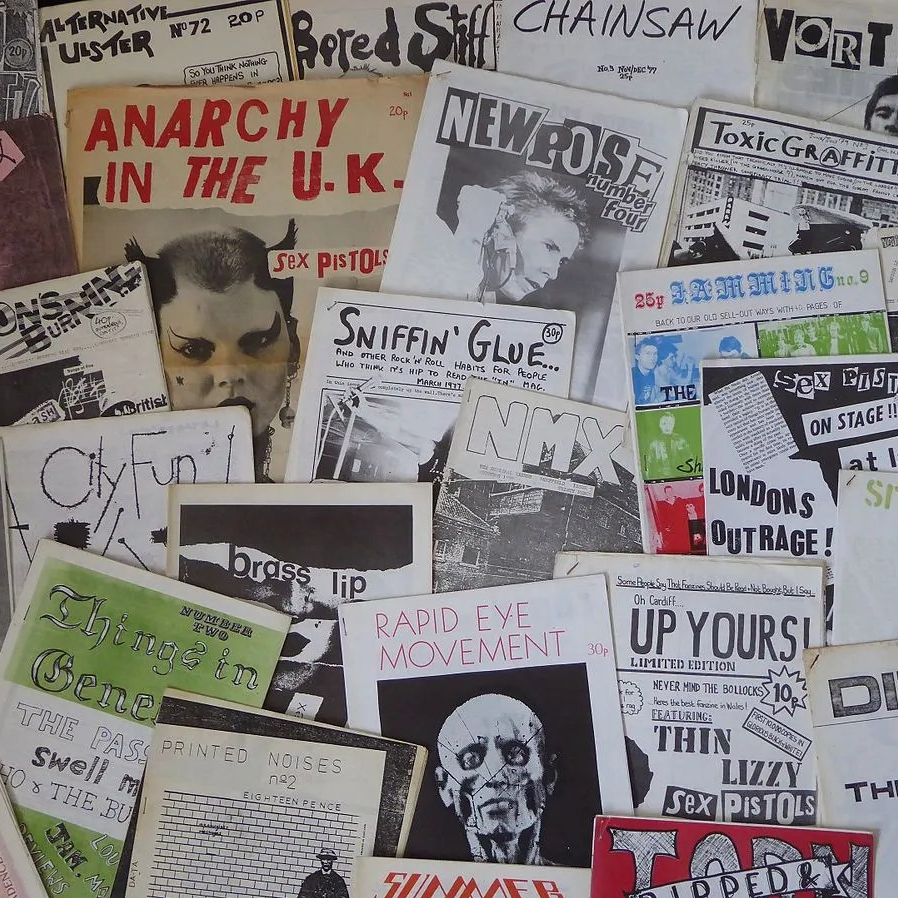
Zines, short for fanzines or magazines, are self-published, small-circulation works of art that embody the essence of DIY (Do It Yourself) culture. These pocket-sized publications have been an integral part of alternative and underground communities for decades, serving as a medium for individuals to express their creativity, share niche interests, and communicate perspectives that mainstream media may overlook. The history of zine-making is a testament to the power of self-expression and the desire to be heard on one’s terms. It is fascinating to observe the diverse range of topics covered in zines, from political commentary to personal anecdotes, from poetry to art manifestos. The raw and authentic nature of zines allows creators to connect with their audience in an intimate and unfiltered manner, fostering a sense of community and solidarity among like-minded individuals. Furthermore, the tactile experience of flipping through the pages of a zine, often filled with handcrafted illustrations and handwritten texts, adds a unique and personal dimension to the reader’s engagement with the content. As digital media continues to dominate the landscape, zines remain a tangible and cherished form of self-expression, preserving the spirit of individuality and creativity in a rapidly evolving world.
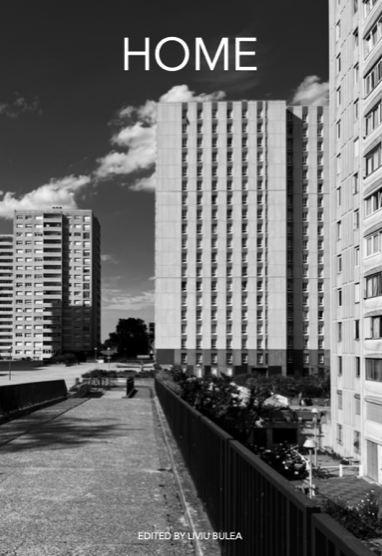
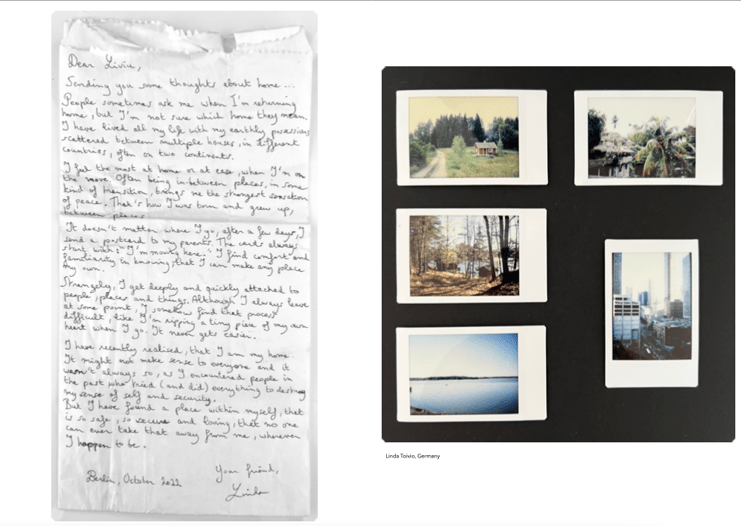
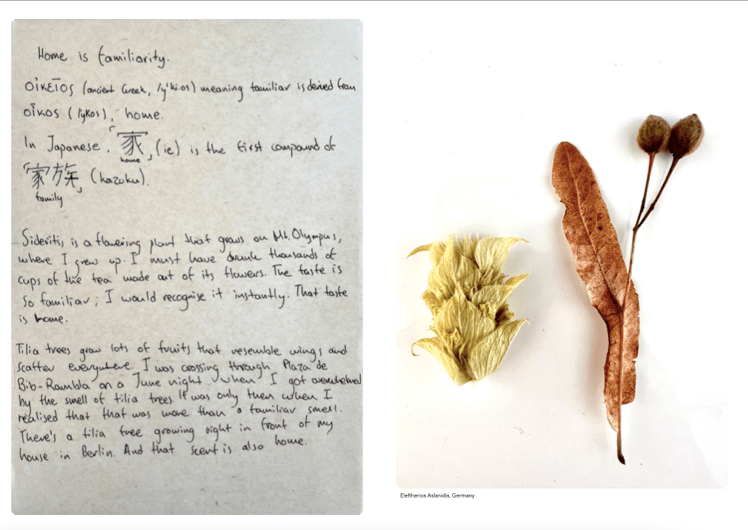
Home by Liviu Bulea captures the essence of a global exploration into the meaning of ‘home.’ During a residency in Paris, Bulea invited individuals worldwide to share their perspectives on the concept of home. The result is a compelling book featuring 31 heartfelt letters from contributors spanning the USA, Germany, Romania, Italy, Japan, France, and beyond.
Historical Background
The roots of zine-making can be traced back to the science fiction fandom of the 1930s, where enthusiasts created homemade publications to discuss and share their passion for the genre. However, it wasn’t until the punk rock movement in the late 1970s and early 1980s that zines truly flourished. Punks embraced the DIY ethos, using zines to document their music, culture, and socio-political views outside the constraints of mainstream media. These zines, often produced using photocopiers and distributed through unconventional channels, offered a raw and unfiltered perspective on the world through the eyes of those who felt marginalized or underrepresented. The visual collage-style layouts and hand-written articles reflected the rebellious and anti-establishment spirit of the punk subculture, challenging traditional publishing norms and providing a platform for individuals to express themselves freely. The emergence of zines in this context represented a grassroots response to the homogenization of mass media, allowing for diverse voices and opinions to be heard. Through zine-making, communities formed, ideas were exchanged, and underground movements gained momentum. The legacy of these early zines and the DIY spirit of self-publishing continues to influence creative expression and alternative media today.
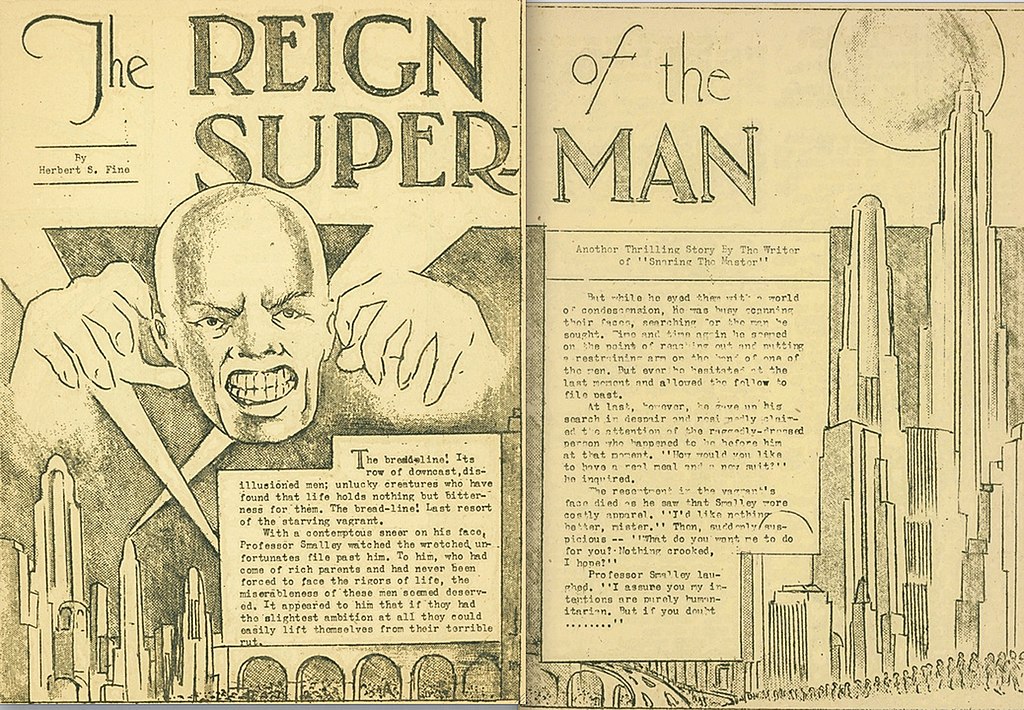
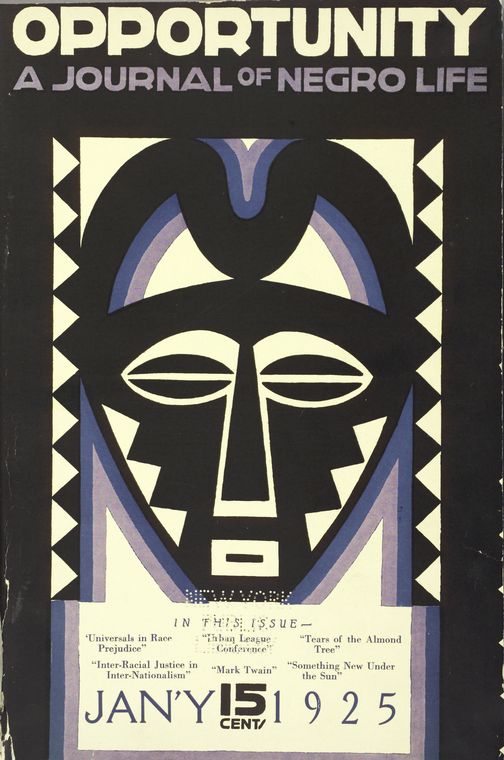
Although the term ‘zine’ emerged in the 1930s, the concept of self-published booklets and pamphlets predates it, tracing back to the existence of printing presses. People with independent ideas have been disseminating their thoughts since the early days of printing. In the 1440s, there were guides on practising witchcraft, while the period from 1450 to 1750 saw the creation of guides on catching witches. In 1517, Martin Luther‘s Ninety-Five Theses marked a significant self-published work. Self-publishing has played a crucial role in acts of resistance, even before the term ‘zine’ was coined. Movements like the American Revolution found support and momentum through publications resembling zines. Examples include Poor Richard’s Almanac by Ben Franklin (1732–1759), Common Sense by Thomas Paine (1775), Federalist Papers by Alexander Hamilton, James Madison, and John Jay (1788), and women’s suffrage zines in the 1840s, such as The National Citizen edited by Matilda Joslyn Gage. Additionally, The Communist Manifesto by Karl Marx and Friedrich Engels was published in 1848. In the 1920s, “Little Magazines” gained popularity during the Harlem Renaissance, exemplified by “Fire!! Devoted to Younger Negro Artists.”
Zines not only served as a means of expression but also as a form of resistance. The decentralized nature of zine production allowed for the dissemination of countercultural ideas, providing a voice to those often silenced by mainstream discourse. As a result, zines became crucial tools for social, political, and cultural activism, amplifying the voices of marginalized communities and challenging dominant narratives. Moreover, the tactile nature of zines, often characterized by their handmade quality, fostered a sense of intimacy and authenticity. Readers were invited to engage with the physicality of the medium, flipping through pages that bore the marks of individual creators. This personal connection between zine producers and their audience added depth to the exchange of ideas, fostering a sense of community and shared purpose.
The act of making zines represents a powerful form of grassroots storytelling, documenting the lived experiences and perspectives of diverse individuals. From its humble origins within niche subcultures to its enduring influence on contemporary creative expression, the spirit of zine-making remains a testament to the enduring power of independent, alternative media.
Why People Make Zines
Zine-making has evolved into a powerful tool for individuals to reclaim their narratives and celebrate diversity. In today’s world, saturated with mass media and social networks, zines serve as an oasis of raw and unfiltered creativity, offering a platform for authentic self-expression. People of all backgrounds and experiences turn to zines to encapsulate personal stories, showcase unique artwork, delve into niche hobbies, or advocate for social and political causes close to their hearts. This form of self-publishing is a profound means of empowerment, enabling creators to circumvent conventional gatekeepers and establish direct connections with their audience. Through the craft of zine-making, individuals are not only expressing themselves but also shaping cultural conversations, fostering inclusivity, and driving meaningful change. As zine-making continues to thrive in the digital age, its impact resonates far beyond the pages, enriching and transforming the creative landscape.
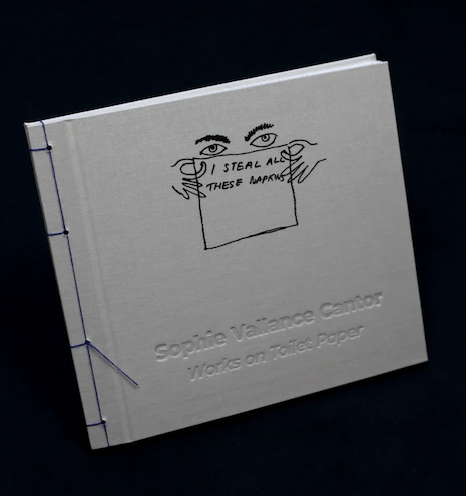
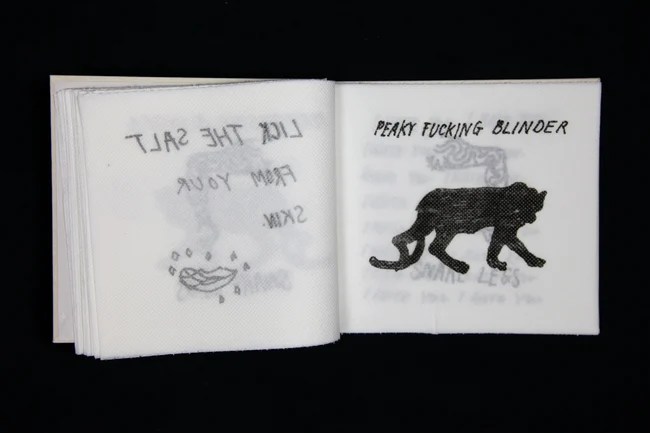
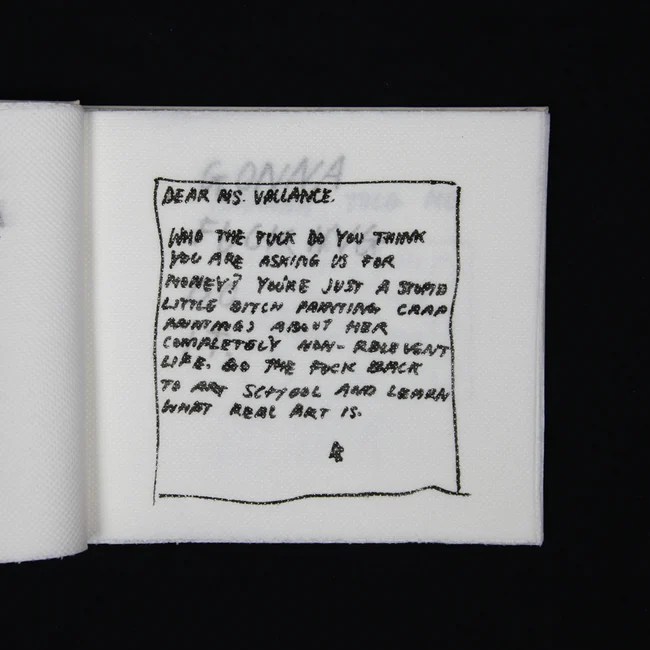
𝘞𝘰𝘳𝘬𝘴 𝘰𝘯 𝘛𝘰𝘪𝘭𝘦𝘵 𝘗𝘢𝘱𝘦𝘳 – SOPHIE VALLANCE CANTOR by Bruise Studio – “𝘞𝘰𝘳𝘬𝘴 𝘰𝘯 𝘛𝘰𝘪𝘭𝘦𝘵 𝘗𝘢𝘱𝘦𝘳 is a limited edition art book featuring the works of artist Sophie Vallance Cantor. It is riso printed on kitchen towel paper following a narrative of personal stories drawn on toilet paper squares and napkins from the beginning of her career (…)”
The rise of zines has also contributed to the democratization of media and storytelling. With minimal barriers to entry, zine-making offers a platform for marginalized voices, enabling individuals from underrepresented communities to share their experiences and perspectives without the constraints often imposed by mainstream media. This democratization of storytelling is crucial in amplifying diverse narratives and challenging dominant narratives, thus creating a more inclusive and holistic portrayal of human experiences. Furthermore, zine-making fosters a sense of community and connection among creators and audiences. The act of exchanging zines, whether through local zine fairs or online platforms, creates opportunities for dialogue, collaboration, and support within the creative community. This sense of interconnectedness not only strengthens the zine-making culture but also cultivates a supportive environment for individuals to explore their creativity and share their stories without fear of judgment or commercial pressures.
Making zines represents a multifaceted form of expression that transcends traditional boundaries of publishing and media. It empowers individuals to reclaim their agency in storytelling, amplifies diverse voices, fosters community, and drives meaningful social and cultural change. As zine-making thrives in the digital age, its potential to shape and enrich the creative and social landscapes only continues to expand, solidifying its enduring significance in contemporary culture.
The Selection Process
The content of a zine reflects the creator’s unique vision and purpose. This personalized form of expression involves a meticulous curation process to select the most fitting photos and information. Creators draw inspiration from personal experiences, subcultures, or societal issues they are passionate about, infusing their zines with authenticity and depth. Each photograph and visual element is carefully chosen to complement the narrative and evoke specific emotions, aiming to create a cohesive and impactful storytelling experience within the constraints of limited zine pages. Zine-making embraces a hands-on approach, encompassing tasks such as layout design, printing, and binding. This tactile nature distinguishes zines from digital content, adding a personal touch that resonates with both creators and readers. The physicality of zine-making invites individuals to engage with the creative process uniquely and intimately, forming a tangible connection between the creator, the content, and the audience. This aspect contributes to the enduring appeal of zines as a form of self-expression and communication.
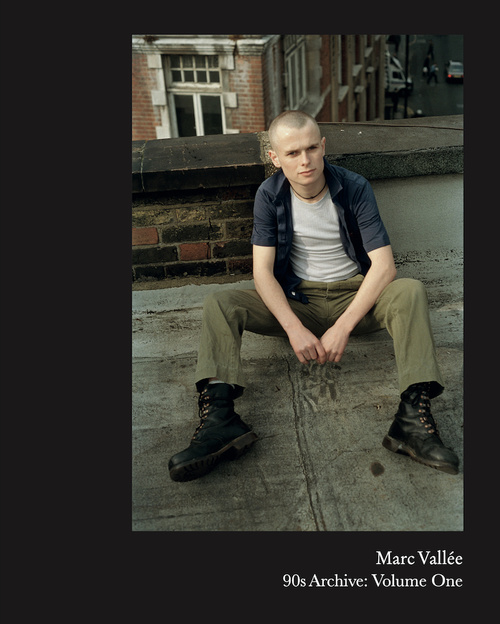
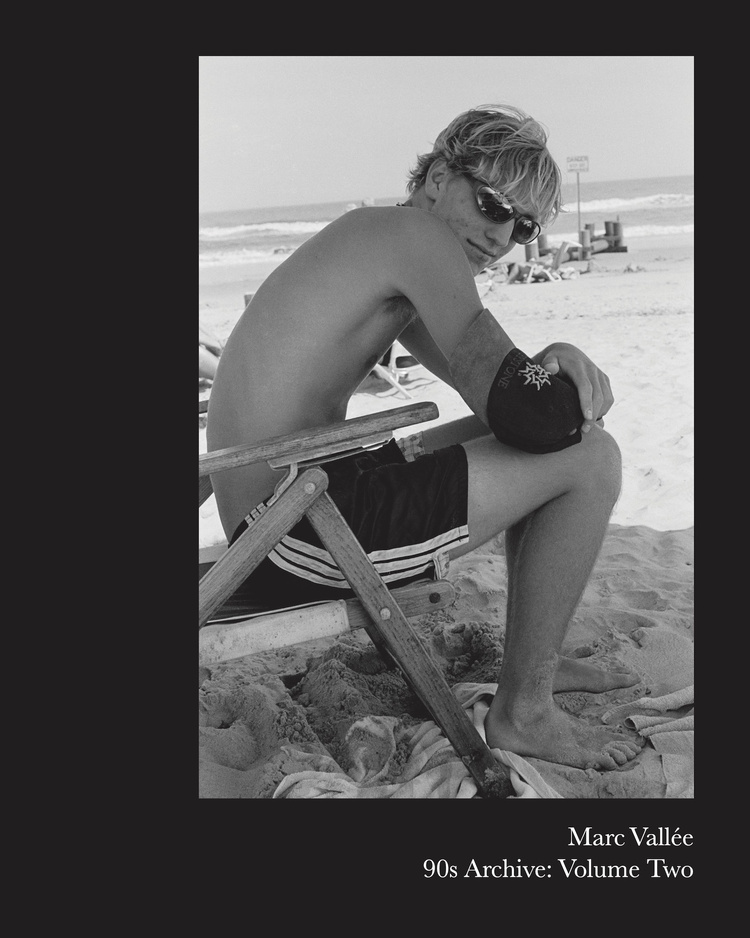
90s Archive: Volume One and Two by Marc Vallée
The pictures in these two Zines tell the story of Vallée’s life in 90s London. Beyond that, they also hold a bigger meaning in history and politics. They show the experiences of gay youth during the aftermath of the AIDS epidemic in the 80s and early 90s, alongside the impact of Margaret Thatcher’s era and Clause 28, which lasted until 2003.
The process of crafting a zine is inherently reflective of the creator’s personality and artistic inclinations. From the initial concept to the final product, every aspect reflects the creator’s individuality and perspective. The tangible, handmade nature of zines can be likened to a labour of love, where every fold, cut, and print carries the essence of the creator’s passion and dedication to their craft. This organic authenticity is what draws many individuals to the world of zine-making, as it provides a platform for unfiltered and raw creative expression, free from the constraints often associated with mainstream publishing.

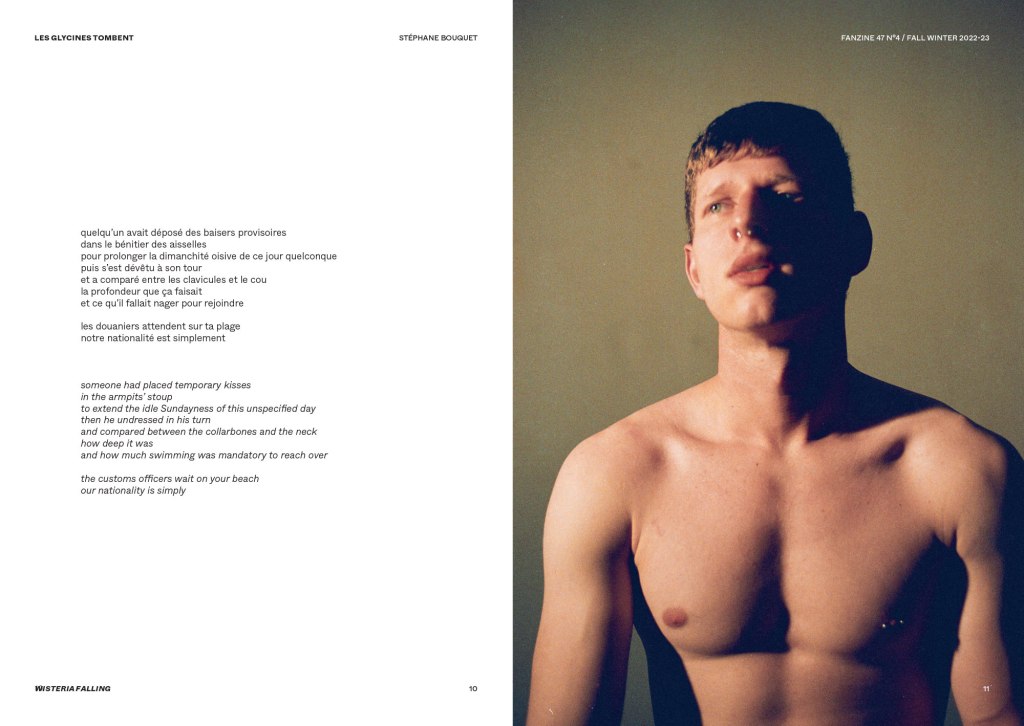
FANZINE 47 is a bilingual magazine (French, English) with a limited edition offering to revisit the male nude through portraits of young adults who bear witness to this new century. Each issue invites an author who will pose a text alongside the photographs in the series.
Furthermore, the act of creating a zine fosters a sense of community and connection. It serves as a bridge between creators and their audience, often sparking meaningful conversations and interactions. Zine fairs, workshops, and exhibitions bring together like-minded individuals who share a passion for self-publishing and alternative media. This sense of camaraderie cultivates a supportive environment where creators can exchange ideas, collaborate, and showcase their work to an appreciative audience.
Creating zines transcends the boundaries of traditional media and offers a refreshing and authentic mode of storytelling and creative expression. Its enduring allure lies in its ability to encapsulate individual experiences, provoke thought, and foster genuine connections within a community of diverse creators and enthusiasts.
The Renaissance of Zine-Making
With the advent of the Internet in the mid-1990s, zines initially waned in public awareness, possibly due to the capacity of private web pages to serve a similar function for personal expression. Many traditional zines transitioned into Webzines, such as Boing Boing or monochrom. The xZineCorex metadata standard, aligning with Dublin Core, became the cataloguing norm for zines. Early creators of E-zines were initially labelled as “adopters” due to their utilization of pre-made types and layouts, simplifying the publication process. Subsequently, social media, blogging, and vlogging adopted a comparable DIY publication model.
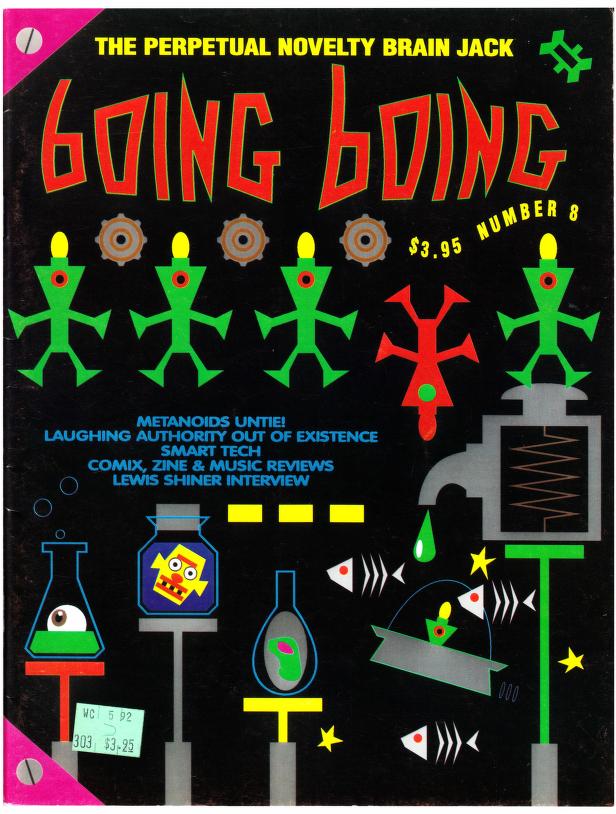
bOING bOING, started in 1988 by Mark Frauenfelder and his wife Carla Sinclair, began as a zine with the subtitle “The World’s Greatest Neurozine.” Notable contributors included Gareth Branwyn, Jon Lebkowsky, and Paco Nathan. Together with Mondo 2000, bOING bOING played a role in shaping the cyberpunk subculture.
Zine-making continues to thrive as a vibrant form of self-expression and communication, resonating deeply with individuals seeking authentic channels to convey their thoughts and ideas. The allure of zines lies not only in the final product but also in the invigorating process of creating something deeply meaningful and authentic. When individuals engage in the creation of zines, they embark on a journey of self-discovery, tapping into their unique perspectives and creative impulses.
The renaissance of zine-making is not a rejection of technological progress but a celebration of the rich tapestry of human expression. In a world where speed and efficiency often take precedence, zines beckon us to slow down, appreciate the beauty in imperfections, and revel in the authenticity of human creativity. As the zine-making resurgence continues to flourish, it reminds us that the simple act of putting pen to paper can be a radical form of self-empowerment and a beacon of genuine connection in our ever-evolving digital landscape.
As zine-making becomes more popular again, it shows how powerful this art form is. It reminds us that writing and creating can be a strong way to empower ourselves and connect with others, especially in today’s digital world. Making zines is simple and personal, which is a nice change from our fast-paced digital lives. This highlights the importance of meaningful and heartfelt ways of communicating.
Zines Find a Home in Major Libraries and Institutions
Zines, often regarded as unique expressions of marginalized voices, have found an unexpected home in several major public and academic libraries worldwide. These institutions, known for their extensive collections, are actively curating zines and small press publications with specific thematic focuses, such as women’s studies or those relevant to local communities
Several prominent libraries and archives have embraced the world of zines, showcasing a commitment to diversifying their collections:
- Barnard College Library
- The University of Iowa Special Collections
- The Sallie Bingham Center for Women’s History and Culture at Duke University
- The Tate Museum
- The British Library
- Harvard University’s Schlesinger Library
- Los Angeles Public Library
- San Francisco Public Library
- Jacksonville Public Library
In Washington, D.C., the Indie Photobook Library stands as an independent archive boasting a substantial collection of photobooks and photo zines spanning from 2008 to 2016. This collection was acquired by the Beinecke Rare Book and Manuscript Library at Yale University in 2016. Breaking ground in California, the Long Beach Public Library became the first public library in the state to circulate zines for extended periods, starting in 2015. Following suit, the Los Angeles Public Library initiated a similar program in 2017, both projects credited to librarian Ziba Zehdar, a staunch advocate for promoting the circulation of zines in public libraries in California
Despite the increasing acceptance of zine culture by prestigious institutions, concerns have been raised about the potential contradiction. Some argue that the adoption of zines by powerful entities contradicts their original purpose as declarations of agency by marginalized groups. This discussion raises intriguing questions about the evolving relationship between alternative expressions and institutional inclusion in the cultural landscape.
Why Should I Make a Zine?
Have you ever wondered why you should create a zine? Well, the possibilities are endless, and here are just a few reasons to dive into the world of DIY publishing:
- Tell Your Story: Let your voice be heard by narrating your unique experiences and perspectives.
- Protest Harm in Your Community: Use your zine as a powerful tool to raise awareness and protest against issues affecting your community.
- Process Difficult Times: Transform challenging moments into creative expressions, providing catharsis for both yourself and your audience.
- Support Your Art Practice: Zines are an excellent platform to showcase your artistic talents and experiment with different forms of self-expression.
- Connect with Others: Build meaningful connections by sharing your thoughts and experiences within the zine community.
- Record an Experience: Capture memories, events, and emotions in a tangible and personal format.
- Create a Collection: Develop a series of zines to document your evolving ideas and artistic journey over time.
- Teach a Process: Share your skills and knowledge by creating instructional zines that guide others through a particular creative or practical process.
- Inform People About a Topic: Raise awareness and educate your audience on important issues through the engaging medium of zine-making.
- Share Your Manifesto: Express your beliefs, values, and personal philosophies through the unique lens of a zine.
Remember, your first zine is a significant step in your creative journey. Embrace imperfections and view it as a work in progress. As Davida Breier, editor of Xerography Debt, wisely notes, “The most important zine you will ever make is your first zine. It is likely to be awful and that is okay, even encouraged. Zines are always works in progress, just like people” (quoted on pg. 27 of Make a Zine by Joe Biel).
If you’re new to zine-making, consider starting with the no-staples format. With just a piece of paper, a pair of scissors, something to draw with, and an idea, you have everything you need to embark on this creative adventure. So, why not give it a try and see where your imagination takes you?
Through zine-making, individuals celebrate the transformative power of storytelling, giving rise to a rich tapestry of narratives that enrich the collective human experience. It is within the pages of these handmade publications that the indomitable spirit of creativity finds its voice, offering a resounding testament to the profound impact of authentic self-expression on both creators and audiences alike.
Article created by Liviu Bulea using multiple sources.
Liviu Bulea, born in 1989 in Turda, is a Romanian artist, curator, and cultural manager currently pursuing a PhD at the University of Arts and Design in Cluj, focusing on art in urban space. His works have been showcased at prestigious venues across Europe, including the Romanian Cultural Institute in Berlin, Cite International des Arts in Paris, and the Urban Nation Museum in Berlin. Featured in collections at institutions such as the National Museum of Contemporary Art in Bucharest, European Investment Bank in Luxembourg and the Tom of Finland Foundation in Los Angeles, Liviu is also an advocate for migration issues, LGBTQ+ rights, and the relationship between urban settings and well-being.
 Refugiu de Creație
Leave a comment