
Christmas is a season woven with enchanting tales and peculiar customs, each thread spun with the richness of cultural beliefs and historical legends. While many countries celebrate this festive season with familiar traditions, Eastern Europe boasts an array of captivating customs that add a unique charm to the Yuletide spirit. From predictive rituals to symbolic feasts, here’s a peek into some of the most fascinating Christmas traditions across Ukraine, the Czech Republic, Poland, Romania, Slovakia, and Russia.
Ukraine’s Spider Webs:
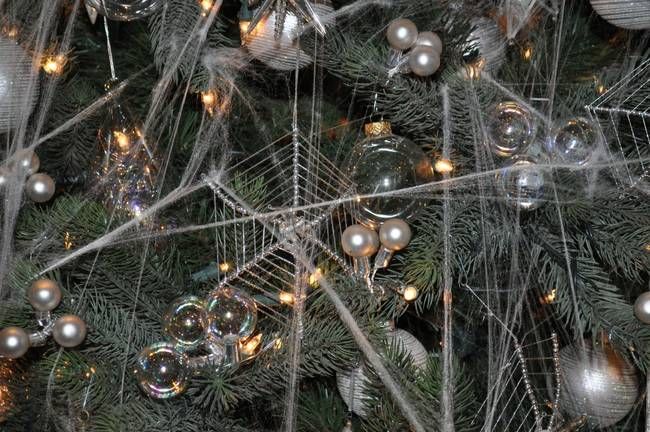
In Ukraine, the sight of spider webs on Christmas morning is celebrated as a sign of good fortune. According to legend, there was a poor widow who decorated her Christmas tree with delicate webs. When the first rays of sunlight touched the threads, a wondrous sight unfolded—the silken strands transformed into sparkling silver and radiant gold. This heartwarming story intertwines the belief in prosperity with the unforeseen beauty that can blossom from modest origins.
Czech Republic’s Predictive Traditions:
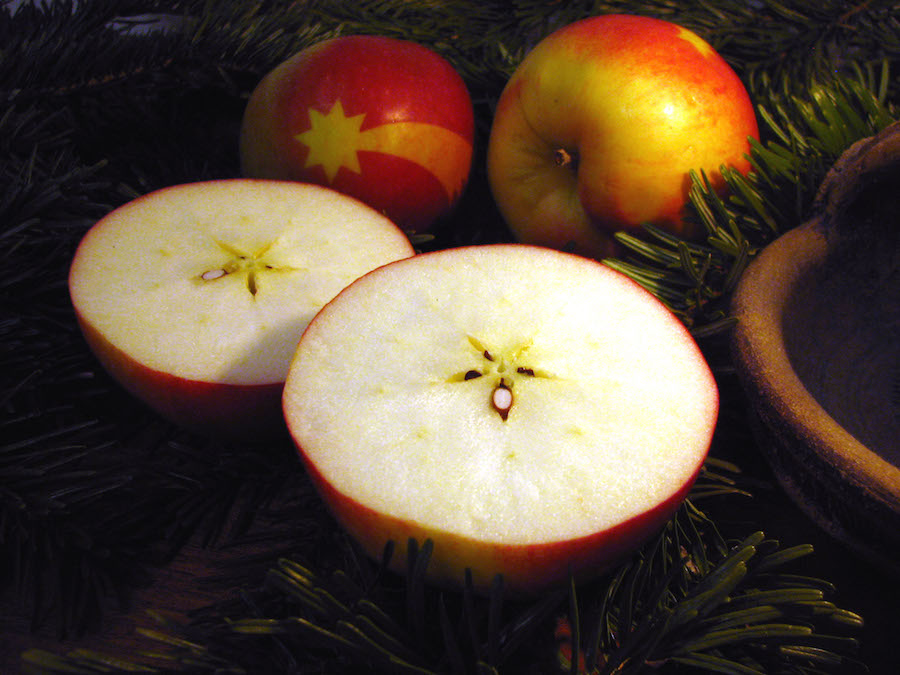
Christmas Eve in the Czech Republic holds a mysterious air as unmarried women partake in rituals to unveil the secrets of their futures. From throwing a shoe over their shoulder to eating an apple in front of a mirror, these customs are steeped in the hope of glimpsing their future partners. The magic lies in these age-old practices, where anticipation dances with tradition, offering a glimmer of what might be.
Poland’s Wigilia:
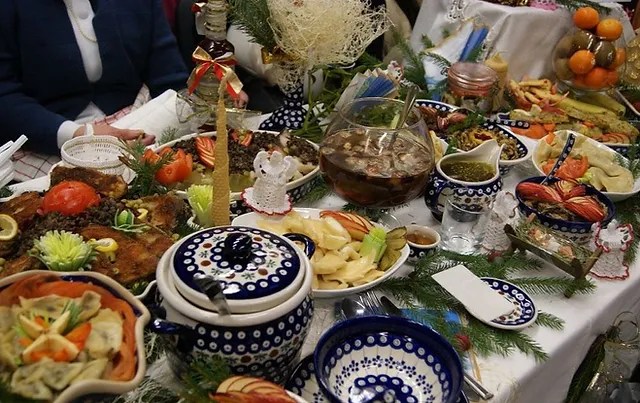
Wigilia, the revered Polish Christmas Eve dinner, commences with the appearance of the first twinkling star in the evening sky. This cherished gathering sees families partake in a feast of 12 traditional meatless dishes, each symbolizing the apostles. The ritualistic breaking of the “opłatek,” a Christmas wafer shared among loved ones, fosters unity and goodwill, echoing the essence of the season.
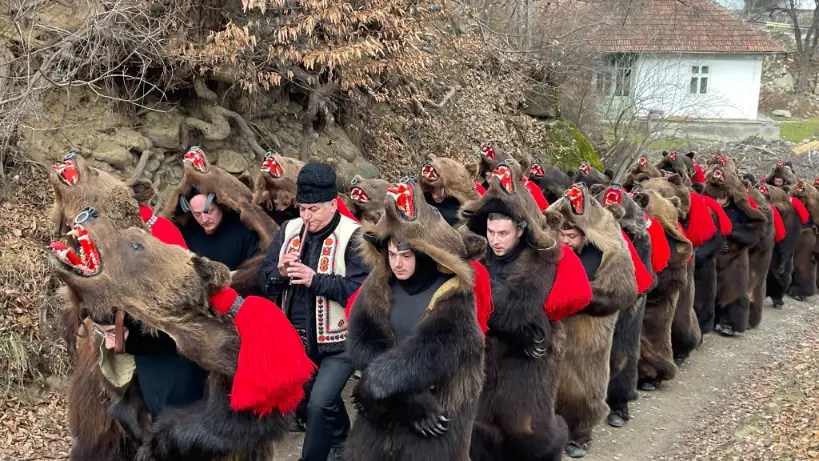
Romania’s Bear Dance:
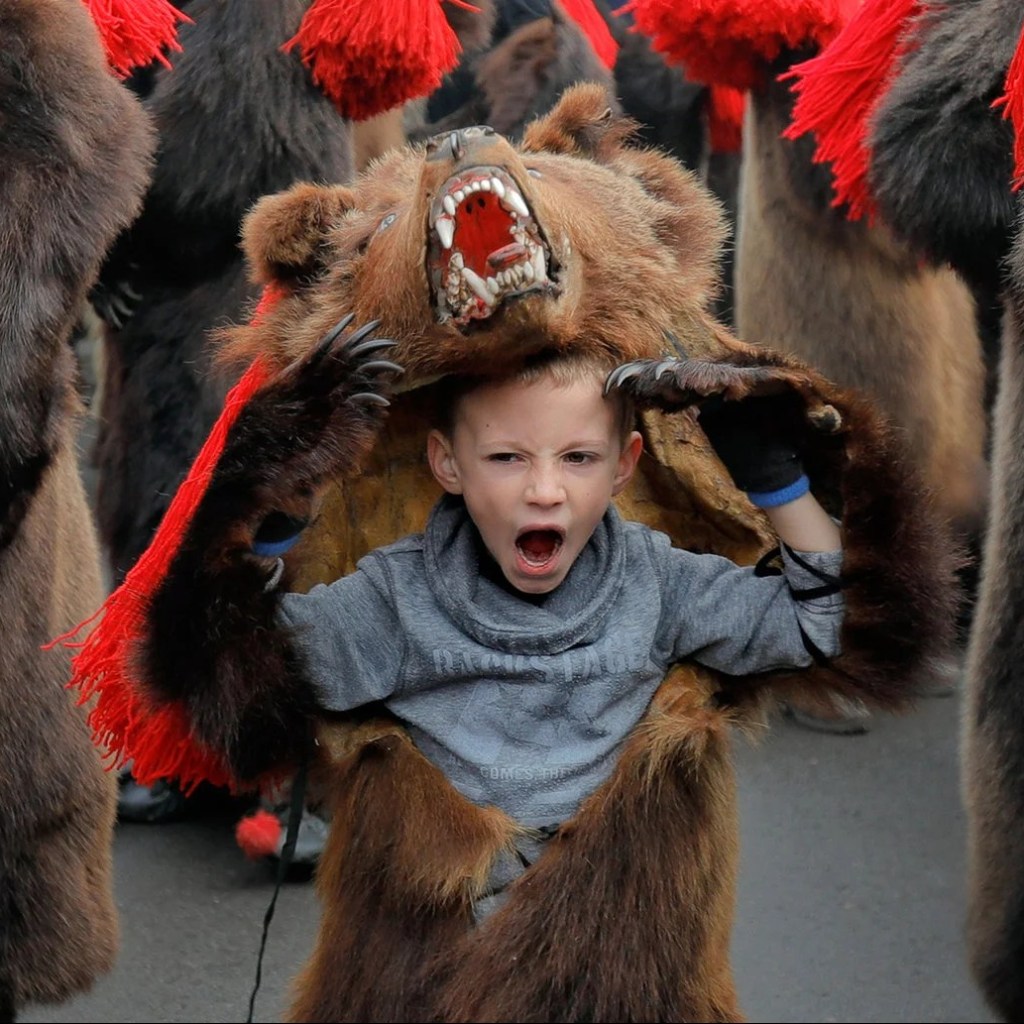
In certain Romanian villages, the Christmas season witnesses a captivating performance—the Bear Dance. Villagers don elaborate costumes resembling bears, goats, and other characters, as they parade through the streets. This ritual, a celebration of the cycle of time, embodies the themes of death and rebirth, interlacing folklore with a vibrant display of tradition.

Slovakia – The Christmas Carp:
In Slovakia, it’s a common tradition to have a live carp swimming in the family bathtub in the days leading up to Christmas. On Christmas Eve, the carp is prepared as the main dish for the holiday meal. This tradition, although unusual to many, holds significant cultural and historical importance in Slovakian Christmas celebrations, dating back for generations. Families often visit local markets to purchase their live carp, and the sight of bathtubs filled with these fish is a unique and memorable aspect of the holiday season in Slovakia.
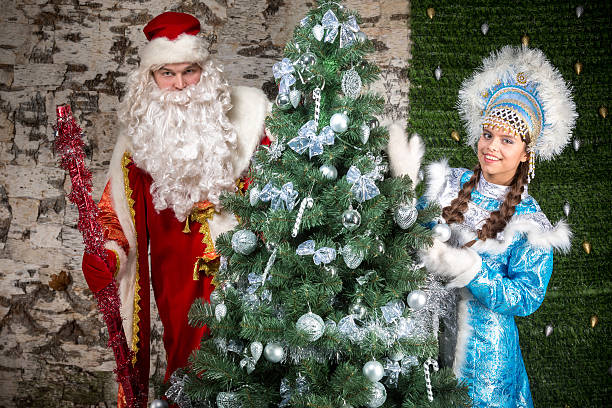
Russia – Ded Moroz and Snegurochka:
Ded Moroz (Grandfather Frost) and Snegurochka (Snow Maiden) are the Russian equivalents of Santa Claus and his granddaughter. They bring gifts and cheer to children on New Year’s Eve. This tradition is deeply rooted in Russian culture and is a source of much joy and excitement for children and families across the country. The imagery of Ded Moroz and Snegurochka is filled with enchanting winter magic, adding to the festive atmosphere of the holiday season. As they travel from house to house, they symbolize the spirit of generosity and goodwill, making the New Year’s celebration a special time for all.
These captivating traditions from Eastern Europe paint a tapestry of belief, folklore, and anticipation during the festive season. They serve as a reminder of the depth and diversity of cultural customs that enrich the magic of Christmas, inviting us to embrace the wonderment and significance behind each cherished practice.
Article by Liviu Bulea
Liviu Bulea, born in 1989 in Turda, is a Romanian artist, curator, and cultural manager currently pursuing a PhD at the University of Arts and Design in Cluj, focusing on art in urban space. His works have been showcased at prestigious venues across Europe, including the Romanian Cultural Institute in Berlin, Cite International des Arts in Paris, and the Urban Nation Museum in Berlin. Featured in collections at institutions such as the National Museum of Contemporary Art in Bucharest, European Investment Bank in Luxembourg and the Tom of Finland Foundation in Los Angeles, Liviu is also an advocate for migration issues, LGBTQ+ rights, and the relationship between urban settings and well-being.
 Refugiu de Creație
Leave a comment